The area of modern Tripura — ruled for several centuries by the Manikya Dynasty — was part of the Tripuri Kingdom (also known as Hill Tippera). It became a princely state under the British Raj during its tenure, and acceded to independent India in 1947. It merged with India in 1949 and was designated as a ‘Part C State’ (union territory). It became a full-fledged state of India in 1972.
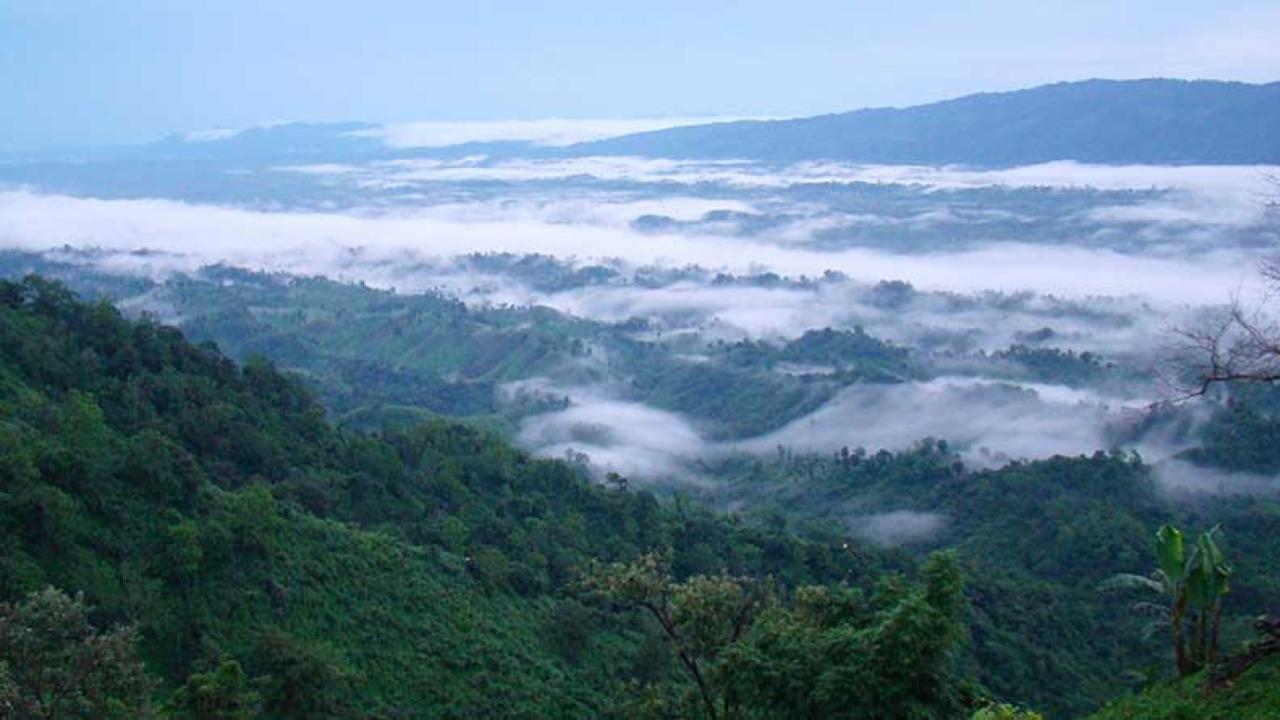
Tripura lies in a geographically isolated location in India, as only one major highway, National Highway 8, connects it with the rest of the country. Five mountain ranges — Hathai Kotor, Atharamura, Longtharai, Shakhan and Jampui Hills — run north to south, with intervening valleys; Agartala, the capital, is located on a plain to the west. The state has a tropical savanna climate, and receives seasonal heavy rains from the south west monsoon.
OnAir Post: About Tripura